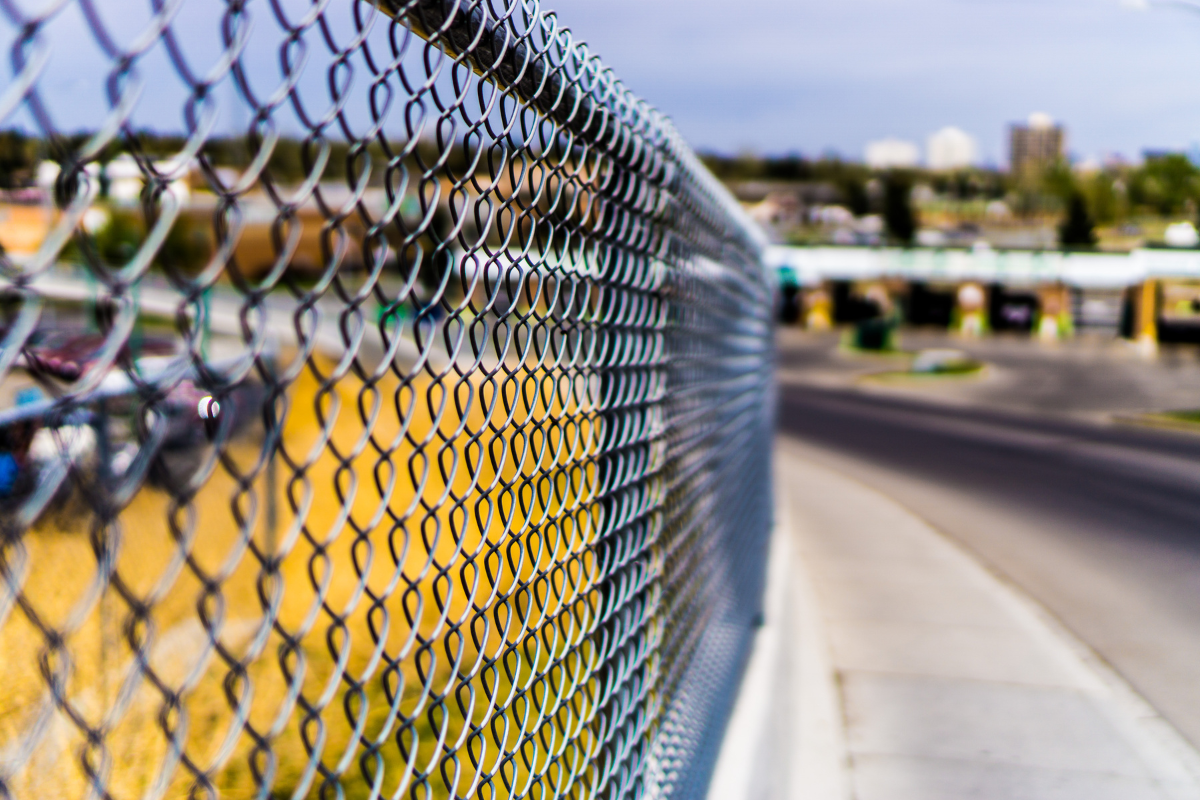
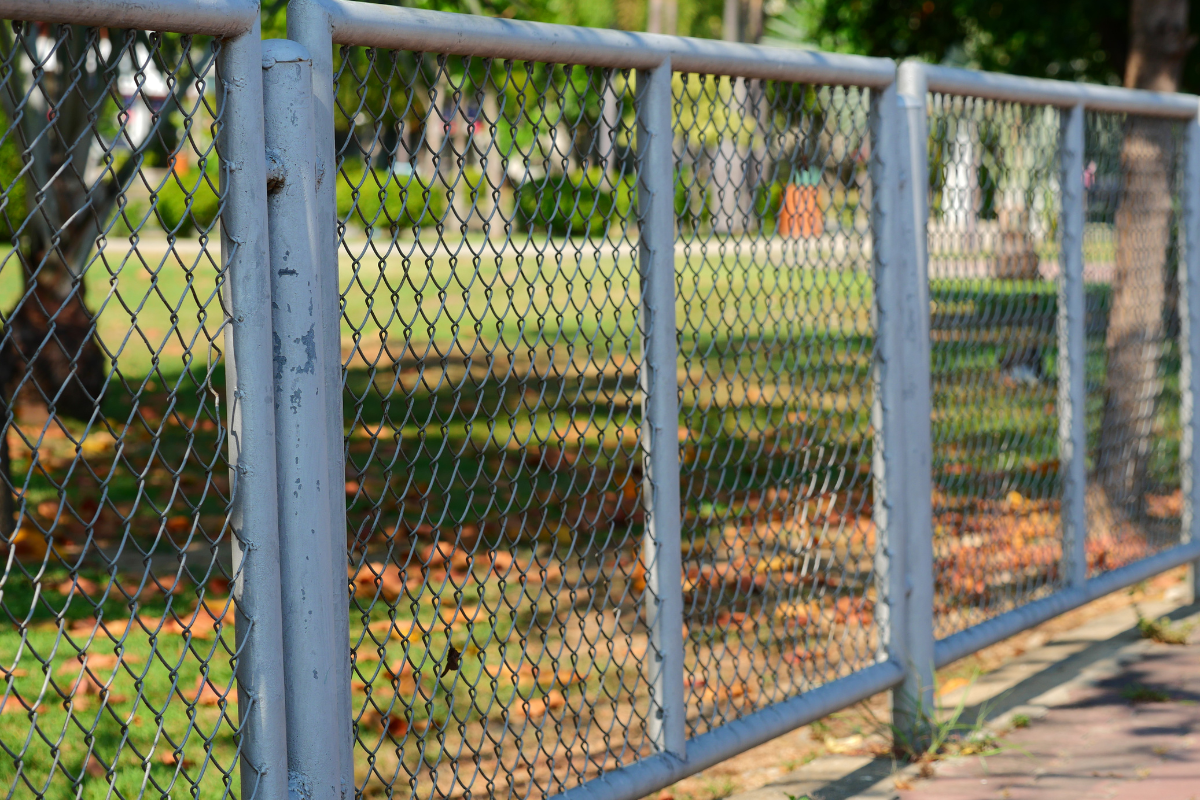
Chain link fencing has a blue‑collar reputation, the kind of fence you spec when budgets are tight and the footprint sprawls. That reputation is partly deserved. It’s efficient, durable, and honest about what it is. It can also be far greener than it used to be. The difference comes from the materials you choose, the way they’re installed, and the chain link fence company you partner with. I’ve spent two decades bidding, building, and maintaining fences for schools, utilities, farms, and homeowners. The projects that stand up to weather and time with the smallest footprint all share a handful of characteristics that are practical, not theoretical.
What makes a chain link fence “eco-friendly”
Sustainability in fencing is less about buzzwords and more about resource cycles and lifespan. With chain link, the biggest levers are recycled content, corrosion resistance, coatings chemistry, transport efficiency, and service life. If a chain link fence lasts 35 years instead of 15, you halve the material throughput per year of service. If the steel uses a high recycled content and the fence can be recycled at end of life without hazardous coatings, the footprint shrinks again.
When clients ask for green chain link fencing services, I look first at specification choices, not just certifications. The spec drives the real environmental impact. Wire gauge, mesh size, galvanizing mass, and fabric finish matter more than a logo on a brochure.
Steel, recycled content, and how it really works
Most chain link fabric and framework are steel. That’s good news for sustainability because steel is one of the most recycled materials on the planet, with recycling rates often above 80 percent in construction and demolition streams. In practical terms, that means you can source chain link fence components with significant recycled content and realistic end‑of‑life recovery.
Not all steel is equal though. Domestic mills typically disclose Environmental Product Declarations that list recycled content ranges. Many chain link fence contractors gloss over this, but you can request mill certificates or EPD summaries that show post‑consumer and pre‑consumer percentages. Expect 25 to 90 percent recycled content depending on the process. Electric arc furnace steel often has higher recycled content than basic oxygen furnace routes.
There’s a trade‑off hidden here. Heavier wire, thicker posts, and heavier zinc coatings consume more material up front, yet they resist corrosion longer and reduce replacement frequency. The greenest design is rarely the lightest. It’s the one that meets the site’s exposure and security needs without premature failure. A coastal fence with tropical storms and salt air needs a different spec than an inland schoolyard.
Galvanizing, aluminized coatings, and the chemistry that matters
The bright silver finish you associate with chain link comes from zinc. Galvanized fabric and framework protect steel by sacrificing zinc to corrosion, keeping the underlying steel intact. The metric to watch is coating mass, usually stated as G (for galvanize) numbers or ounces https://augustzflz888.bearsfanteamshop.com/top-materials-for-long-lasting-chain-link-fence-installation-1 per square foot. A G90 panel coating on sheet goods is common language, but chain link wire is specified differently. For fabric, look for Class 2 galvanized or better. For framework, check standards like ASTM F1043 that tie classes to coating thickness.
Heavier galvanizing extends life, especially in damp or salty climates. Aluminized fabric, which uses an aluminum coating, offers excellent corrosion resistance with a muted silver appearance. It’s a strong option for coastal zones when you want durability without resorting to vinyl coatings.
Vinyl, or PVC‑coated chain link, is popular for color and added corrosion resistance. In sustainability terms, PVC raises questions. Modern PVC formulations for fencing are RoHS compliant and free of lead stabilizers, but they’re still PVC. If your sustainability lens is strict about halogenated polymers, consider polymer‑coated options that use polyethylene or polyester topcoats over galvanized wire. They protect well and avoid chlorine chemistry, though not every chain link fence company has steady access to these alternatives. I’ve specified polyolefin coatings for municipal projects that wanted a greener profile without sacrificing lifespan. Availability can be regional.
Framework, fittings, and the details that decide longevity
Every chain link fence installation is a system: posts, rails, tension wire, fabric, fittings, and footings. The green performance is only as strong as the weak link.
Posts and rails are typically Schedule 40 pipe for heavy duty, or HF40/SS20 structural tubing for lighter work. I don’t chase absolute weight savings here. Undersized framework bends, the fabric slackens, and you end up repairing or replacing sections long before their time. A modest step up in wall thickness is often a bigger sustainability win than any recycled content claim. Zinc‑rich primers and powder‑coated rails can further extend service life in harsh exposures.
Fittings often get overlooked. Cheap, thin steel tie wires snap, especially when UV and temperature swings punish the plastic jacket on coated ties. Stainless steel ties or heavier gauge galvanized ties hold fabric tension for years, not seasons. Tension bars and braces with genuine hot‑dip galvanizing resist white rust far better than electro‑galvanized hardware. Pay attention to hog rings at the bottom selvage and to the tension wire gauge. In parks and dog runs, the bottom is where the fence takes the beating.
Footings matter in a sustainability conversation because concrete has a carbon cost. You can reduce concrete without sacrificing stability if the design accounts for soil conditions, frost line, wind loads, and post spacing. Avoid the temptation to undersize footings to save material. Heaving and lean lead to repairs, which consume more in the long run. On sandy or well‑drained soils, bell‑shaped auger footings and proper compaction allow stable installations with less concrete than straight over‑pouring. On expansive clay, resist shortcuts and spec the footing depth to get below the active zone.
Sourcing with intent: what to ask a chain link fence company
If you want an eco‑friendly fence, start with a contractor who understands the nuance. The cheapest bid will rarely align with the greenest outcome. I’ve lost bids to bottom‑dollar installers, then been called back three years later to replace rusted corners. Saving money once is not the same as saving resources.
Ask for material origin and recycled content for fabric and framework. Request coating specifications by standard, not brand adjectives. Ask about end‑of‑life recyclability plans: will the contractor take back old fabric and posts, separate coatings when feasible, and coordinate with a metal recycler? If a chain link fence contractor offers chain link fencing services that include deconstruction and recycling, you’ll see it in their project photos and their jobsite practices, not just in marketing.
Transport distance is another lever. Steel is heavy. A local or regional mill matters. Many chain link fence companies can spec products from mills within a few hundred miles, which trims transport emissions and lead times.
Installation practices that lower the footprint
A green spec can be squandered with sloppy installation. A stretched fabric with proper diagonal bracing, accurately set corner posts, and tension maintained through the seasons goes longer without repair. That’s the quiet sustainability win.
Crew training shows in the small things. On large jobs, I set a tension gauge for uniform stretch along each run. We stage fabric rolls to minimize cuts and waste, then salvage offcuts as reinforcement pieces for gates where shorter spans suffice. We prefabricate gate frames in the shop to exact size, reducing jobsite welding and grinding, which saves energy and keeps particulates off the property.
Soil management matters too. On projects where native topsoil has value, we stockpile neatly and reuse as backfill or berms instead of hauling off. When drilling footings, we bag spoil and separate rocks for reuse as drainage base where appropriate. Simple steps, but multiplied across hundreds of posts, the difference adds up.
Erosion control at fence lines near waterways is non‑negotiable. Straw wattles and silt fences keep fines out of streams while the work proceeds. That might sound like civil contractor territory, but chain link fence installation often runs along slopes and drainage paths. I’ve seen more harm done by careless trenching for bottom tension wire than by any choice of coating.
Smart design choices that earn their keep
No fence is perfectly green, so your design should be intentional about what the fence is for. A community garden wants a different fence than a logistics yard. The first values transparency and vines, the second needs wind resistance and vehicle‑proof strength.
Consider mesh size. Standard 2 inch mesh is common, but 1‑3/4 inch or 1‑1/4 inch meshes can enhance security by reducing footholds and reach‑through gaps, allowing you to avoid barbed wire or razor coils in some applications. That’s a safety and aesthetics gain, and it removes difficult‑to‑recycle materials from the spec.
Height and spacing have environmental implications. A 6 foot fence with correct post spacing can outperform a 4 foot fence with stretched spans and flexible rails. You might use fewer posts with wider spacing to save material, but at a certain point wind load and impact resistance demand closer spacing. I’d rather specify an extra line post every 8 feet than deal with a collapsed section after a winter storm.
Wind is often underestimated. Permeable fencing like chain link handles gusts well. If you’re tempted to add privacy slats for screening, remember they increase wind load significantly. Choose slats designed with aeration slots, or consider site plantings like native shrubs set a few feet inside the fence line to break wind and add habitat without overloading the framework.
Gates deserve special attention. They’re the moving parts, and moving parts fail first. An eco‑friendly solution uses adjustable hinges, robust latches that don’t need constant replacement, and gate frames with internal bracing to prevent sag. On wide openings, cantilever gates often outlast rollers on rutted gravel. Good gate design reduces call‑backs and waste.
Repair, not replace: extending life with thoughtful maintenance
Sustainability often comes down to whether you can fix what you have. Chain link fence repair is straightforward if the original installation used standard fittings and didn’t cut corners. You can replace a damaged bay without scrapping the whole run. You can swap a bent line post by bracing the rails and transferring tension. You can stitch in a new section of fabric with a spiral and retain a clean look.
The best chain link fence companies train crews to evaluate repair options before recommending full replacement. During an inspection, I look for rust at the base of posts, loosened ties, stretched fabric near gates, and hardware corrosion. Surface rust on galvanized parts can often be arrested with a zinc‑rich repair coating after wire‑brushing. It isn’t pretty on day one, but it buys years. Vinyl‑coated fabric with nicks can be sealed with touch‑up compounds that prevent creep under the jacket.
Vegetation management is part of repair. Vines look poetic for a season, then they pry fabric apart and trap moisture. If you want green coverage, use a trellis a foot inward from the chain link and choose non‑woody climbers. Leave a mow strip or gravel base inside the fence to keep trimmers from nicking the coating at the bottom selvage. Where I’ve poured a 6 to 12 inch mow curb with fly‑ash blended concrete, maintenance crews thank us, and the fence bottom stays intact twice as long.
When chain link is the right green choice
Clients sometimes assume wood is greener because it’s natural. Pressure‑treated lumber has its own chemical profile, and most wood privacy fences in harsh climates need major work within 10 to 15 years. Ornamental aluminum looks sleek and doesn’t rust, but the energy intensity of aluminum is high, even with recycled content. Vinyl privacy panels can last, but at end of life they’re difficult to recycle.
Chain link sits in a pragmatic middle. It has a low material mass per linear foot, high recycled content potential, and an honest end‑of‑life path. For schools, parks, utilities, solar farms, and dog parks, the balance of cost, transparency, airflow, and durability is hard to beat. With the right spec and a mindful chain link fence contractor, it’s a quietly green solution that stays out of the landfill for a long time.
Certifications, standards, and what they actually mean
Clients ask about LEED points. Fencing rarely earns points by itself, but it can contribute to Materials and Resources credits if you document recycled content and regional sourcing. Environmental Product Declarations from mills support transparency credits. Low‑emitting materials credits don’t usually apply to exterior fencing, but site ecology and stormwater credits can be supported by permeable fence designs that preserve airflow and reduce snow drift accumulation.
Standards matter more than plaques. ASTM A392 covers zinc‑coated chain link fence fabric. ASTM F668 covers polymer‑coated chain link fabric. ASTM F1043 defines strength and coating classes for framework. Specifying by these standards ensures you’re not relying on marketing language. A chain link fence company conversant in these codes will navigate trade‑offs without guesswork.
Real numbers from the field
On a coastal wastewater site, we replaced 1,200 linear feet of failing light‑gauge fabric with aluminized Class 2, 9‑gauge mesh and Schedule 40 posts set 36 inches deep into bell‑shaped footings. We used stainless ties near chemical off‑gas zones and galvanized elsewhere. The original fence, 15 years old, had gone through three major repairs. The replacement is 8 years in with no calls. The upfront material mass increased by roughly 18 percent. The projected service life doubled or tripled based on corrosion testing and comparable sites. The maintenance team no longer spends a day each quarter patching.
At an elementary school, we avoided privacy slats and instead planted a staggered row of serviceberry shrubs 3 feet inside the fence. The chain link used 2 inch mesh with a black polyethylene topcoat over galvanized wire, which is recyclable after jacket removal. We poured a narrow mow curb with 25 percent supplementary cementitious materials. Vandalism dropped thanks to visibility, and wind loads stayed low. The district saved on slat replacements and still gained a green visual screen in two growing seasons.
Choosing a contractor who will deliver on the promise
Experience in sustainable chain link isn’t about slogans. It shows in the questions you get during the site walk. The right chain link fence company will ask about soil types, wind exposure, nearby salt sources like de‑icing operations, intended lifespan, and maintenance capacity. They’ll bring samples showing wire gauge and coating differences you can feel. They’ll provide a submittal package that references ASTM specs, not generic brochures.
I look for crews that keep tidy scrap bins and haul metal to recyclers at job’s end. I look at how the company handles warranty calls. A chain link fence contractor who stands behind a tension mismatch or a sagging gate doesn’t let small problems fester into material‑intensive replacements.
The cheapest path rarely delivers the greenest outcome. A realistic budget with durable materials, careful chain link fence installation, and a plan for repair extends the timeline between interventions. That’s where sustainability lives.
Practical steps for a greener chain link project
- Request recycled content documentation and EPDs for fabric and framework, and prioritize regional mills when available. Specify coating classes by ASTM standard, with heavier galvanizing or aluminized fabric in corrosive zones, and non‑PVC polymer jackets if that meets your policy. Right‑size framework and footings to the site’s wind and soil conditions to avoid premature failure, and design gates with robust hardware. Plan for maintenance with mow curbs, bottom tension wire, and quality ties, and budget for periodic inspections to catch issues early. Include deconstruction and recycling in the scope with your chain link fence company, so old fabric and posts return to the metal stream.
End‑of‑life and circular thinking
When a fence reaches the end, the greenest move is to reclaim as much material as possible. Unweaving chain link fabric is laborious but doable, especially on high‑value stainless or thick‑gauge fences. More commonly, we cut fabric into manageable rolls, band it, and send it to a recycler that accepts coated steel. Coatings complicate the melt but don’t make it impossible. Posts and rails are straightforward scrap. Hinges, brackets, and tension bars follow. The concrete stays in the ground unless removal is required for new construction.
On replacements, we often reuse intact posts and rails if alignment and coating are sound. That’s a quiet way to cut embodied carbon. I’ve saved clients 10 to 20 percent on materials by salvaging framework, then installing new fabric and fittings. Not every chain link fence installation allows it, but when it does, it’s a win for cost and footprint.
What about aesthetics and neighborhood fit
Green isn’t just about chemistry and carbon. A fence that fits the context avoids being ripped out early. Black or dark green polymer‑coated chain link recedes visually better than shiny silver, especially against vegetation. Smaller mesh looks finer and less industrial. Thoughtful transitions at entries, with wood or steel accent posts, can elevate the look without compromising recyclability.
Where privacy is required, consider layered solutions. A low planting belt inside the fence calms sightlines and provides habitat. Partial screening near gathering areas focuses privacy where it’s needed, rather than blanketing the entire perimeter with opaque slats. The lighter the fence remains, the happier it is in a windstorm.
Final thoughts from the jobsite
Sustainable chain link isn’t a marketing flourish. It’s a handful of disciplined choices and good craftsmanship. Specify recycled steel where it counts, choose coatings you can stand behind for decades, install with care, and plan for repair and recyclability. Work with a chain link fence company that treats chain link fencing services as a craft, not a commodity.
When you do, the math adds up. You get a fence that does its job quietly for a long time, with less material churn, fewer truck rolls for fixes, and a clear path back into the metal stream when its time finally comes. That’s what eco‑friendly looks like on the ground.
Southern Prestige
Address: 120 Mardi Gras Rd, Carencro, LA 70520
Phone: (337) 322-4261
Website: https://www.southernprestigefence.com/